


Two AI Giants, Two Very Different Healthcare Bets
Last week, OpenAI and Anthropic both announced major healthcare integrations within days of each other. On the surface, they look pretty similar. Both let you connect medical records to an AI chatbot, both promise HIPAA compliance.
But look closer and you see something more interesting: these companies are making fundamentally different bets about where AI actually creates value in healthcare.
The Two Strategies
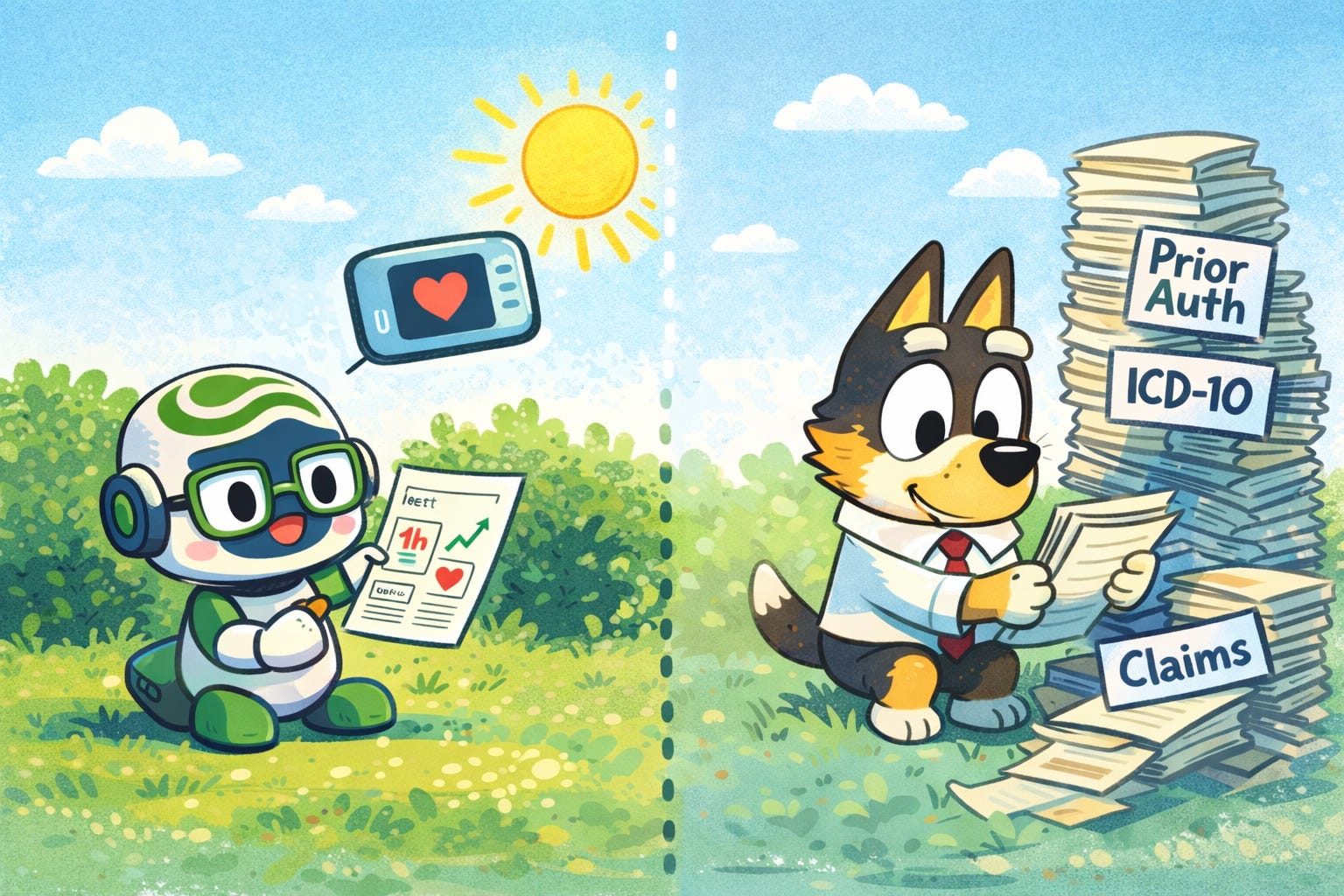
OpenAI’s bet: become your health assistant. They’re building on their massive consumer base (230 million people already ask ChatGPT health questions weekly). Now you can upload lab results and get research-backed explanations with citations. They’re also rolling out enterprise tools for hospitals like Cedars-Sinai. The strategy? Own both ends of the market.
Anthropic’s bet: solve hospital paperwork. Prior authorization. Insurance appeals. Medical coding. They’re plugging Claude directly into the filing systems hospitals already use (CMS databases, ICD-10 codes, provider registries). It’s about speed and operational efficiency, not research synthesis.
Why I Think OpenAI’s Approach Matters More
So here’s the thing. Anthropic is doing valuable work, but it’s kinda incremental optimization of an existing broken system. OpenAI is addressing something more fundamental: broad access to healthcare information. In the US, that information exists online but requires sophistication to access and understand. Better accessibility is a crucial first step.
The Real Vision: AI as Your Health Documentation Partner
But the real vision isn’t just ChatGPT answering health questions. It’s AI becoming a documentation partner. Think of it like having a nurse following you around all day, logging symptoms, tracking patterns through your phone and smartwatch data.
Think about what doctor visits actually are right now: mostly information gathering. You describing symptoms, forgetting details, trying to remember when things started. With AI documentation, those visits shift to strategy and game planning. That’s genuinely powerful.
What Version Two Looks Like
And version two isn’t far off. Continuous monitoring detecting anomalies, active communication asking for context. AI notices elevated heart rate and asks what you were doing. You provide context. That full history goes to your doctor with pattern analysis already done.
The Access Question
Will there be liability issues? Sure. Access inequality concerns? Probably at first. But technology always starts expensive and concentrated, then gets subsidized and distributed broadly. Internet. Smartphones. Solar panels. Wealthy people willing to pay for the first version fund the innovation that eventually makes it cheap for everyone.
You have to start somewhere.
The Bottom Line
The current healthcare system can’t stay as is. Something has to break or change. This technology could be the catalyst that forces innovation across the entire ecosystem.
Neither company’s strategy is obviously wrong. The hospital of the future might use both. But I’m betting on the approach that reimagines the relationship between patients and their health information, not the one that makes existing paperwork slightly less painful.
I think there is some "low hanging fruit" for AI to improve healthcare fraud detection. Any thoughts on this?